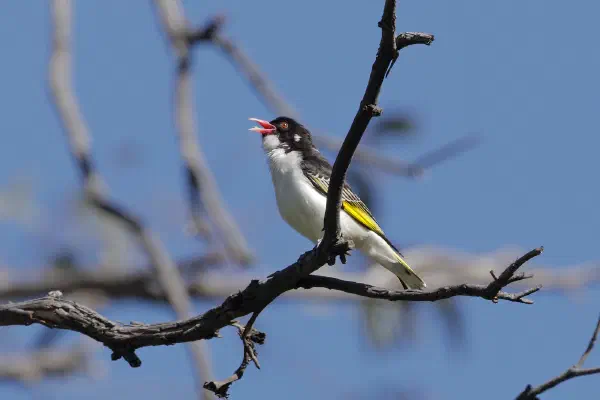
Painted Honeyeater
A nomadic black-and-white honeyeater with yellow wing edges that specialises in mistletoe fruit.
Ecoacoustic Tour of Australia
Binya’s woodlands support declining woodland birds, including the Painted Honeyeater, which follows fruiting mistletoe across the landscape. Your verifications help reveal when these species are present and how often they call.
These records help monitor woodland bird populations that are hard to track through visual surveys alone.
You've verified -- of -- calls.
Log in to see your progress.
Progress data is not configured for this site.
Progress data is currently unavailable.
Loading live progress...
Progress data is not configured for this site.
Progress data is currently unavailable.
Loading live progress...
Progress data is not configured for this site.
Progress data is currently unavailable.
Loading live progress...
Google's Perch AI detected calls for these species. Can you help us verify the name matches the sound for each species? You can see some examples below.
A nomadic black-and-white honeyeater with yellow wing edges that specialises in mistletoe fruit.
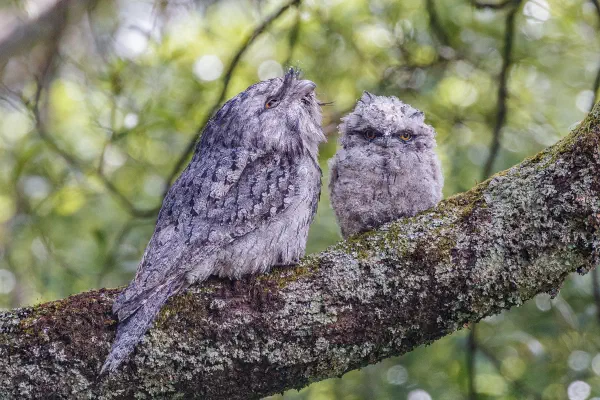
A nocturnal, owl-like bird that roosts by day disguised as a broken branch and gives a low, repeated 'oom' call at night.
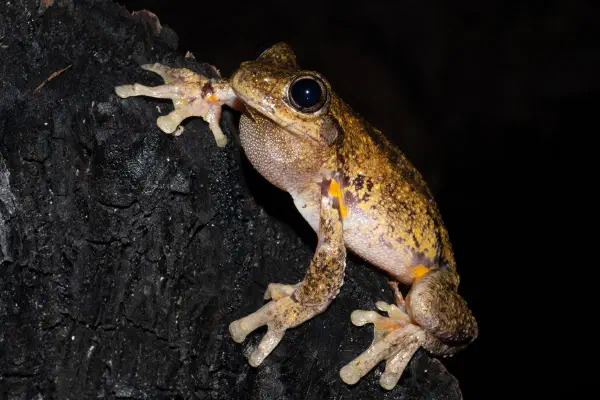
A climbing tree frog with emerald flecks and cross-shaped pupils whose call is a long, cackling laugh.
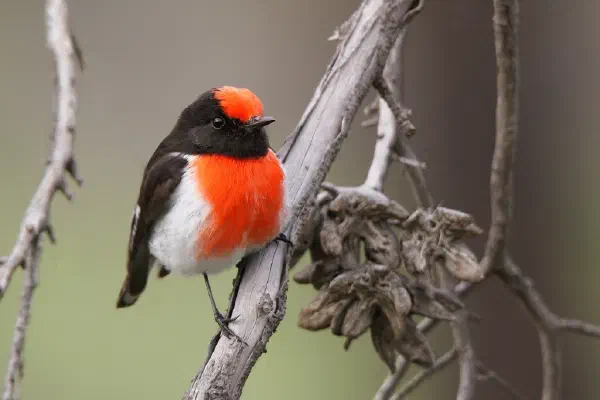
A small dry-woodland robin; males have a bright red cap and breast and sing a rapid, insect-like trill.
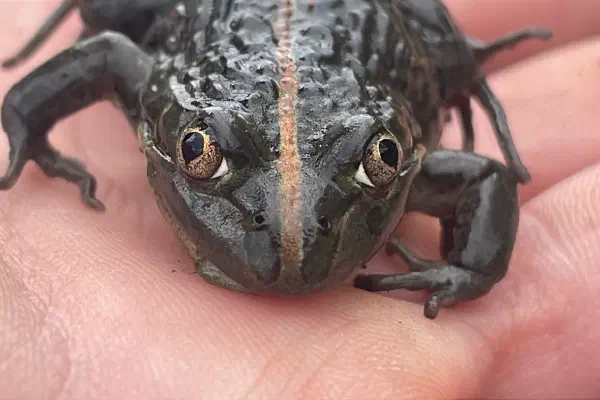
A spotted ground frog of inland swamps, dams and flooded paddocks whose call is a rapid, knocking 'uk-uk-uk'.
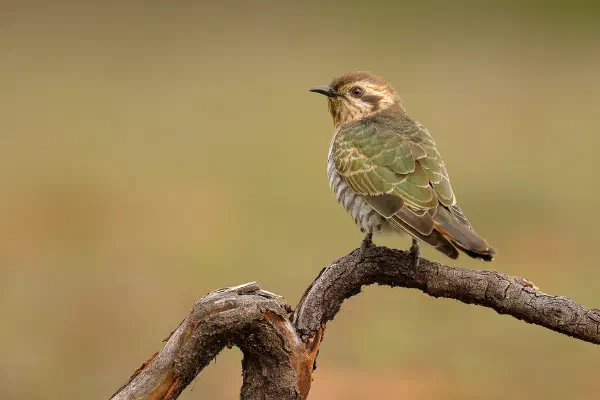
A small bronze-green cuckoo that lays its eggs in other birds' nests and gives a descending, whistled call.
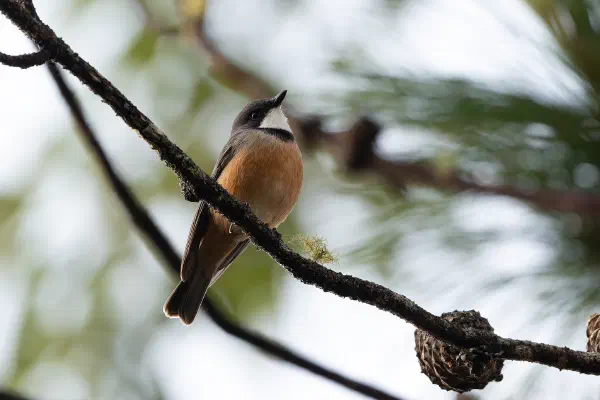
A woodland songbird whose males have a rufous belly and black breast band and sing loud, ringing phrases through spring and summer.
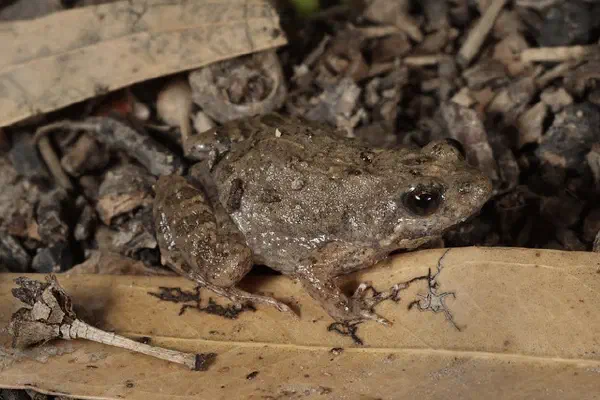
A tiny froglet of inland floodplains and grassy wetlands that calls with short, high-pitched beeps from flooded ground.
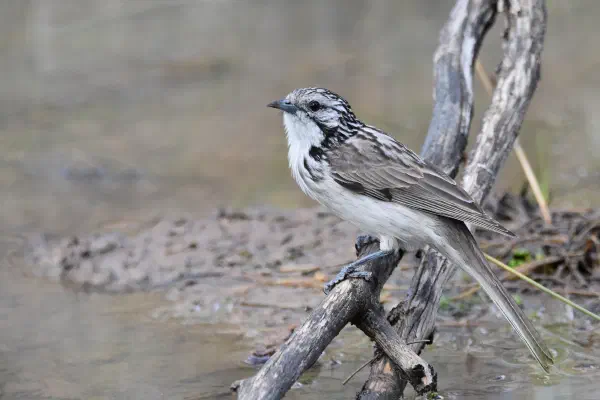
A streaky grey-and-white honeyeater of inland woodland that builds a hanging nest and sings rich, rollicking phrases.