Ecoacoustic Tour of Australia
Bowra Station
Bowra Station records the distinctive soundscape of inland Queensland.
Listen for the species that become active after rain and at night.
Why Your Contributions Matter
Located on Kunja Country, Bowra Station captures the pulse of inland Queensland, where rainfall and water availability can reshape wildlife activity. Your verifications help document both the familiar daytime chorus and the less visible nocturnal species that use this open country.
These records make it possible to compare soundscapes across dry and productive periods, supporting a better understanding of how inland wildlife responds to a variable climate.
You've verified -- of -- calls.
Log in to see your progress.
Progress data is not configured for this site.
Progress data is currently unavailable.
Loading live progress...
Top Contributors
Progress data is not configured for this site.
Progress data is currently unavailable.
Loading live progress...
Progress data is not configured for this site.
Progress data is currently unavailable.
Loading live progress...
Contribute Your Verifications
Google's Perch AI detected calls for these species. Can you help us verify the name matches the sound for each species? You can see some examples below.
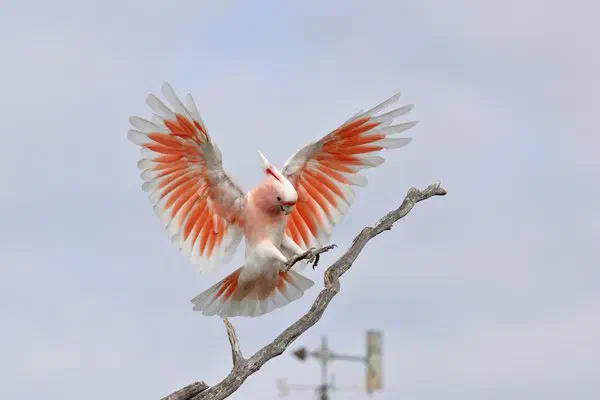
Pink Cockatoo
A striking white-and-pink cockatoo with a raised red-and-yellow crest that usually travels in pairs or small groups.
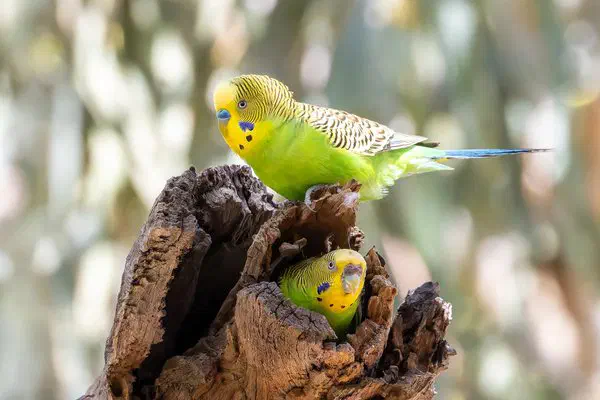
Budgerigar
A small green-and-yellow parrot that travels in nomadic flocks, feeds on grass seeds, and gives frequent chattering contact calls.
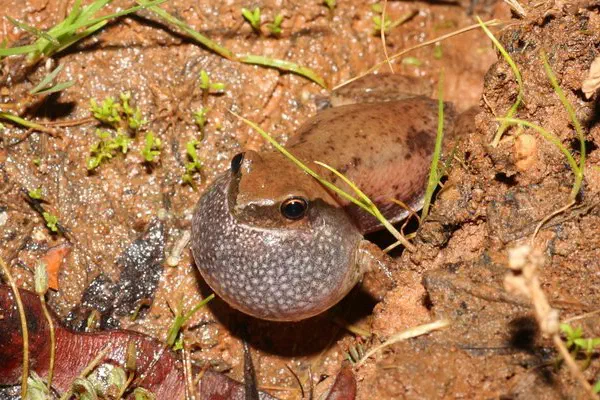
Red Tree Frog
A small, reddish-brown tree frog of inland and northern Australia that gathers at temporary pools after rain and calls with a long, buzzing 'waaa'.
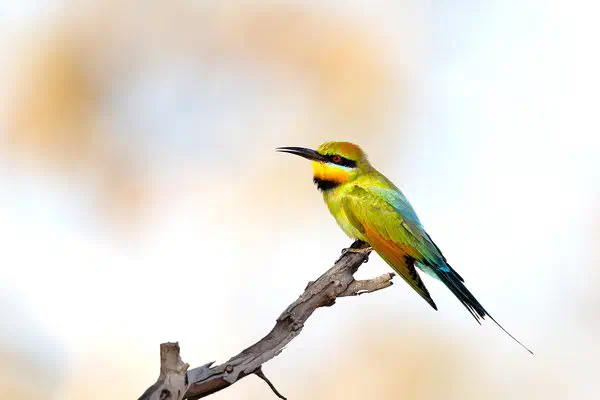
Rainbow Bee-eater
A slender, brilliantly coloured bird that catches bees and dragonflies on the wing and gives a constant, rolling 'prrrp' call.
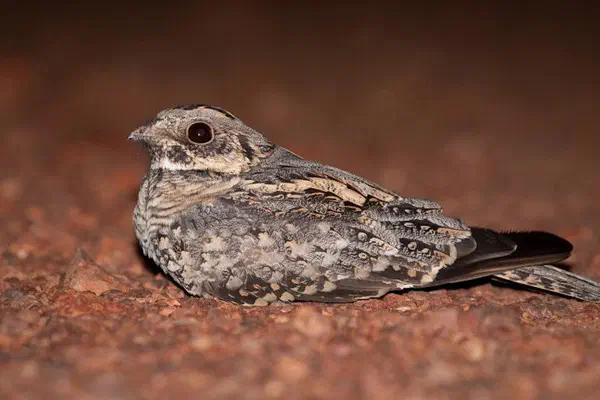
Spotted Nightjar
A heavily mottled, ground-roosting nightjar that hunts flying insects after dark and calls with an ascending series of notes.
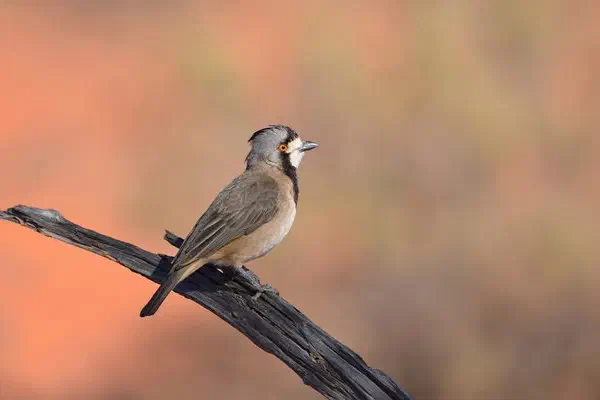
Crested Bellbird
A grey woodland bird with a black crest and breast whose bell-like call carries across open scrub.
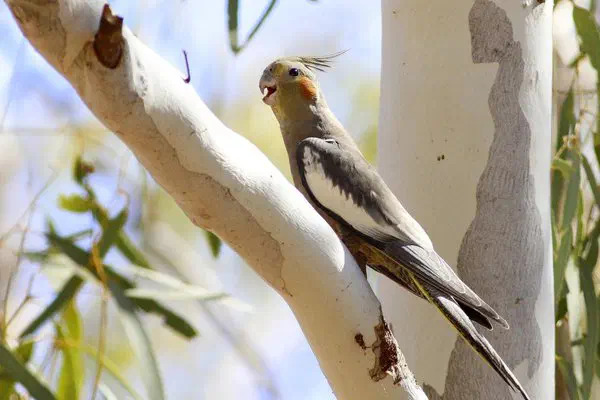
Cockatiel
A nomadic cockatoo with an expressive crest and long tail that moves between water and seed-rich country in pairs or flocks.
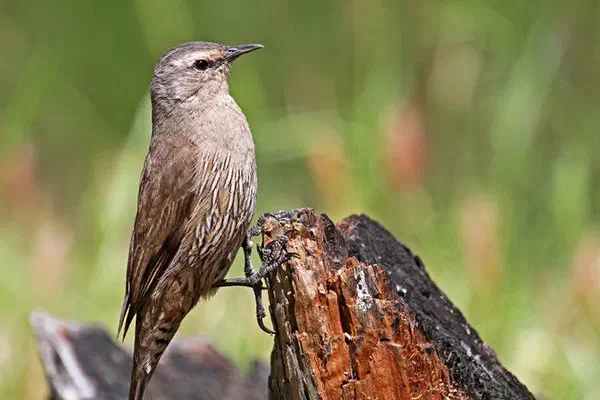
Brown Treecreeper
A social treecreeper that spirals up rough trunks and probes bark and leaf litter for insects in small groups.
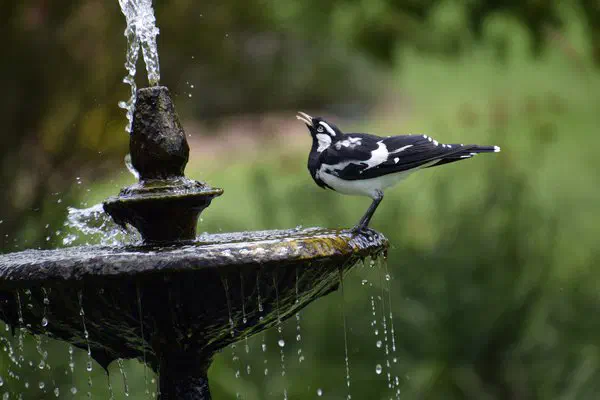
Magpie-lark
A familiar black-and-white bird of open country that builds mud nests and is known for its piping 'pee-o-wit' duets.
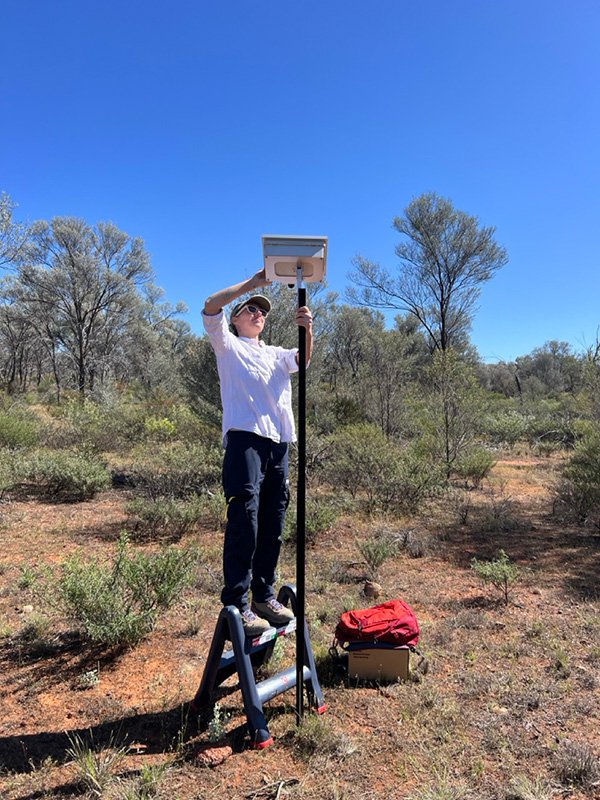
Bowra Wildlife Sanctuary, in south-west Queensland, provides important habitat for the endangered eastern Pink Cockatoo (Lophochroa leadbeateri leadbeateri). Despite its striking appearance, relatively little is known about the species' ecology and habitat use in Queensland. My research at Bowra used passive acoustic monitoring to investigate when and where Pink Cockatoos are active, how they use different vegetation communities, and how their calling activity responds to environmental conditions such as rainfall and temperature. By combining long-term recordings from the Australian Acoustic Observatory with additional acoustic sensors deployed across the sanctuary, we can gain valuable insights into this threatened species. Projects like Call Detective offer an exciting opportunity for the public to contribute to biodiversity research by helping identify Pink Cockatoo calls in recordings, supporting our understanding of the species and its conservation needs.